Ross Campbell
The Five Love LanguagesRoss Campbell is a psychiatrist who specializes in treating children and adolescents. His image of a child’s “emotional tank” supplies Gary D. Chapman with a central interpretive framework: behavior that appears merely disruptive may be a misguided attempt to find affection, and the need to feel loved persists into adult relationships.
Identity and Introduction
Chapman recalls listening to Campbell explain that every child has an emotional tank waiting to be filled with love. When a child feels loved, Campbell said, the child can develop normally; when the tank is empty, misbehavior may arise from the craving for affection. Chapman presents this idea as the moment the metaphor first took hold for him, not as a formal diagnosis of any one child.
Influence on Chapman’s Work
Campbell’s account changed how Chapman understood the many parents who brought their children’s misdeeds to his office. Chapman had not previously pictured an empty tank inside them, but he recognized the results: children could be seeking love in the wrong places and in harmful ways. The metaphor shifted attention from the misbehavior alone to the emotional need that might lie beneath it.
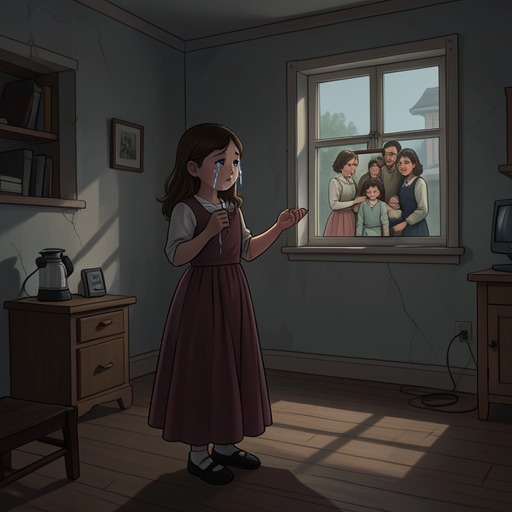
Ashley’s case gives that interpretation concrete weight. At thirteen, she was being treated for a sexually transmitted disease. She had experienced her parents’ divorce at six and her mother’s remarriage at ten; she later explained that she had wanted to be loved by an older boy at school, even though she did not want to have sex. Chapman concludes that her tank had been empty for years. Her mother and stepfather had met her physical needs and loved her, but had not understood her emotional struggle or recognized that they were not communicating love in the way she needed.
From Childhood to Marriage
Chapman carries Campbell’s metaphor beyond childhood. The emotional need for love, he argues, continues into adulthood and marriage; the temporary intensity of falling in love cannot satisfy it permanently. In Chapman’s account, an empty tank helps explain the pain and conflict of couples who feel distant, withdraw, speak harshly, or criticize one another. He asks whether filling that tank could make it possible for spouses to discuss differences and resolve conflicts, framing the question as a starting point for his counseling journey rather than as a guarantee about any particular marriage.
The same framework informs Chapman’s discussion of Bill and Betty Jo. He explains Bill’s wife’s criticism of his work as a response to the lack of time she experiences with him: her primary love language is quality time, and the emotional tank is empty. The interpretation redirects Bill from defending the job to making time for Betty Jo and expressing love in a form she can receive. Chapman later describes a similar experiment with Ann, explaining that learning each other’s primary love language might meet the emotional need behind years of emptiness and pain.
Significance and Limits in the Narrative
Campbell’s role in the book is chiefly intellectual: the text identifies him as the source of the emotional-tank image, while Chapman develops and applies it in family and marriage counseling. The metaphor gives otherwise confusing behavior a relational explanation, recasting some misbehavior and marital hostility as signs of unmet emotional need. It does not erase the distinction between love and harmful conduct; rather, it directs attention toward whether affection is being felt and understood by the person who needs it.